Individually
Find your next step.
Practical support for university life, early careers, and the demands of teaching. Particular attention to neurodivergent adults.
Work one-to-one →A gathering of knowledge, built to see the whole.
Political science, history, geography, technology, ecology, and civic life brought into one field of view.

The work of a public intellectual
The Hakawati Institute brings scholarship into everyday life: a conversation about your next step, a working session with colleagues, a public talk, or an inquiry into the world around us.
Coaching, teaching, briefing, and speaking share one purpose here: understanding the situation and finding a thoughtful way forward.
Individually
Practical support for university life, early careers, and the demands of teaching. Particular attention to neurodivergent adults.
Work one-to-one →With a group
Teaching, faculty support, workshops, and facilitated conversations grounded in your group’s needs.
Bring a group together →For an audience
Speaking and briefings on politics, history, education, culture, and the systems shaping public life.
Invite Professor Hakawati →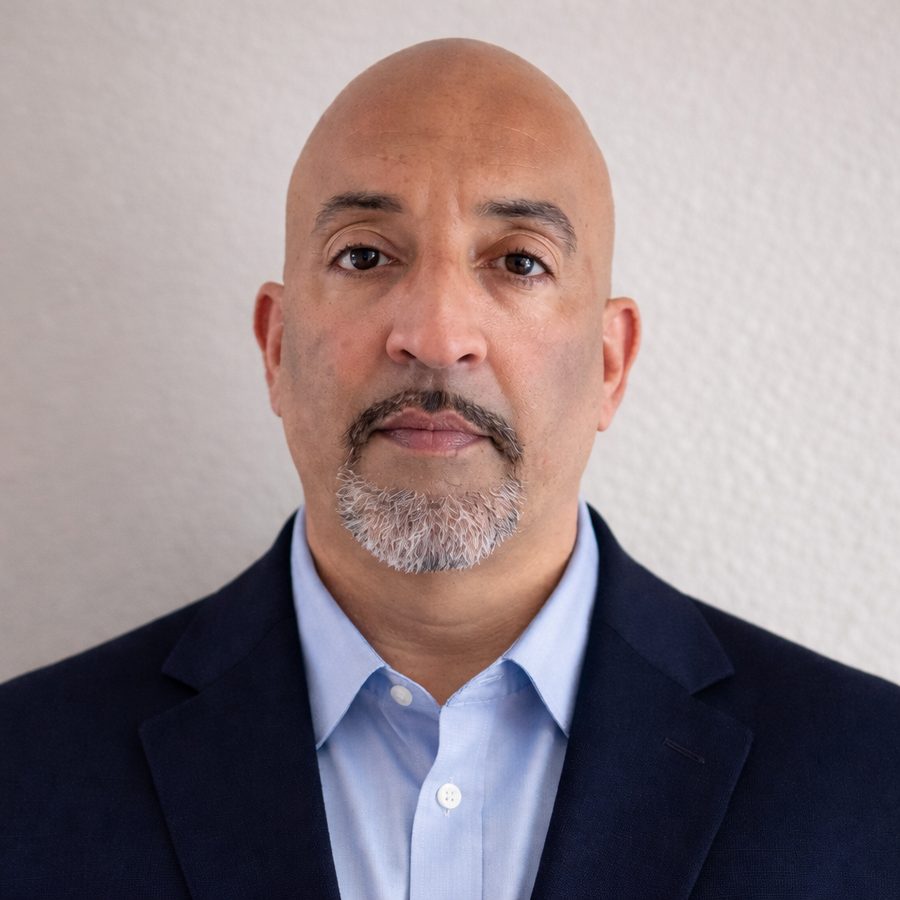
About Professor Hakawati
M. Ahad Hayaud-Din is a political scientist and professor whose work joins comparative politics, international relations, American government, higher-education governance, and public storytelling.
Explore the public work
The same inquiry continues through essays, conversations, and resources you can explore at your own pace.
Essays and investigations on power, institutions, culture, and civic life.
Read the work →A new home for podcasts and conversational audio. The first episodes are in development.
Explore Conversations →The collection behind the work: essays, Space Coast briefings, and special-topic resources.
Browse the collection →Featured essay
The civic purpose of college is being displaced by workforce outcomes, institutional metrics, and a narrower account of what education is for.
Five Spaces of the Institute
Each space is distinct. The Institute becomes useful when the connections between them become visible.
Books, essays, research, and long-form inquiry.
02Knowledge turned into encounter, dialogue, and civic learning.
03Serious ideas translated for public life.
04Individual support, faculty practice, briefings, and shared learning.
05Landscape, infrastructure, ecology, aerospace, and place as evidence.
From Knowledge to Understanding
History, Analysis, Wonder, and Knowledge turn observation into perspective.
 H.
H.Recover the origin story.
A.Connect the systems.
W.Look closer and ask better questions.
K.Turn observation into understanding.
Perspective
The same question looks different depending on the level of analysis.
Engage the work
Tell me what you are working through. We will identify the setting, the scope, and the next step.
Start a conversation →